
Discover what you can expect during this unforgettable journey: from the atmospheric hotel in Arusha to the breathtaking climb to the roof of Africa.
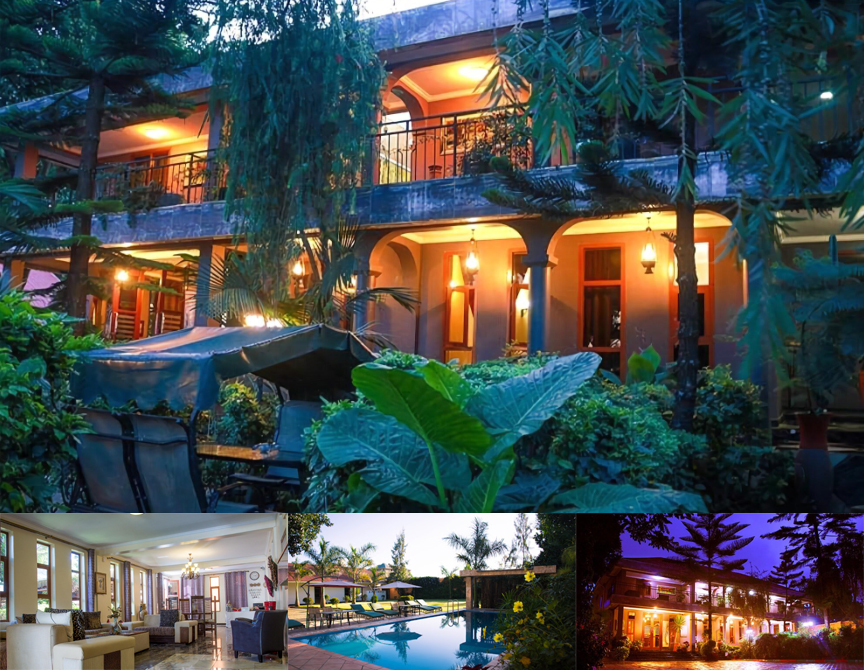
The first and last two nights of Expedition Kilimanjaro you stay in an atmospheric and green hotel in the pleasant town of Arusha. You can indicate when booking whether you want a single, double or triple room.
The hotel offers a bar, restaurant, swimming pool and massage salon (very pleasant after the climb), safes for valuables and a laundry service. The daily breakfast offers continental, English breakfast and vegetarian options.
You climb Kilimanjaro in 7 days and 6 nights via the Machame Route. Via this route you walk up very calmly and, after reaching the summit, descend again via the Mweka route. During this route you will enjoy the views every day, from tropical rainforests to endless moon-like landscapes above 4000 meters.
Each expedition is guided by one or two certified English-speaking mountain guides. They are extremely well trained to assess your well-being. If you don't feel well during the climb, for example, always inform your guide.
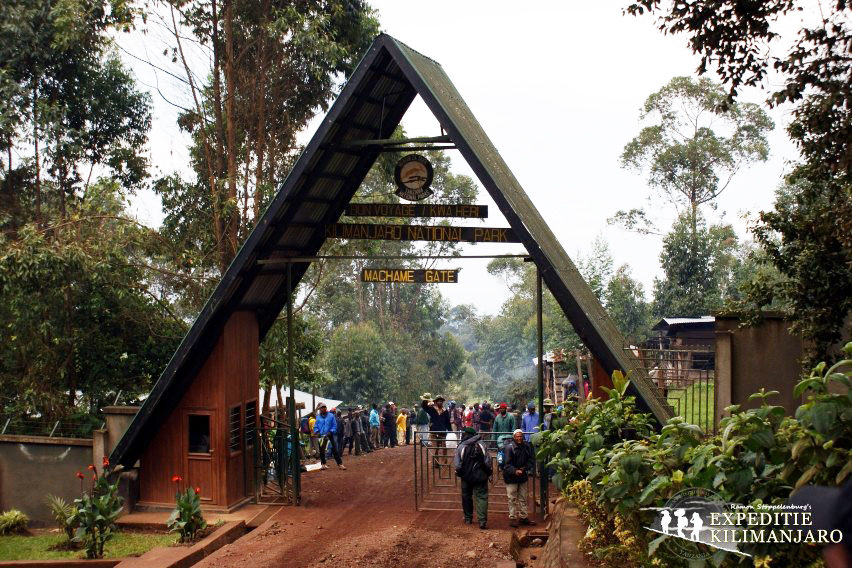
On the first climbing day everyone gathers at Machame Gate, the entrance to Kilimanjaro National Park and the start of the Machame route. Here the mountain guides select the porters on the spot who carry all the gear, the luggage for the porters is weighed, and you must register yourself.
The minimum age for participation in Expedition Kilimanjaro is 14 years. You absolutely must not climb against doctor's advice, if you are pregnant or if you have serious respiratory problems.
Drinking water is arranged daily for the porters. The first day from bottles, then pre-boiled and filtered drinking water. Drink at least three liters of water per day.
The porters arrange breakfast, a hearty lunch and a nutritious evening meal (multiple courses). You must provide your own energizing snacks during the day.
Communication to the base station at the bottom of the mountain and to park rangers is via mobile phones. All guides carry a first aid kit.
Every evening your mountain guide measures your heart rate and blood oxygen percentage with a pulse oximeter to check if you are fit enough.
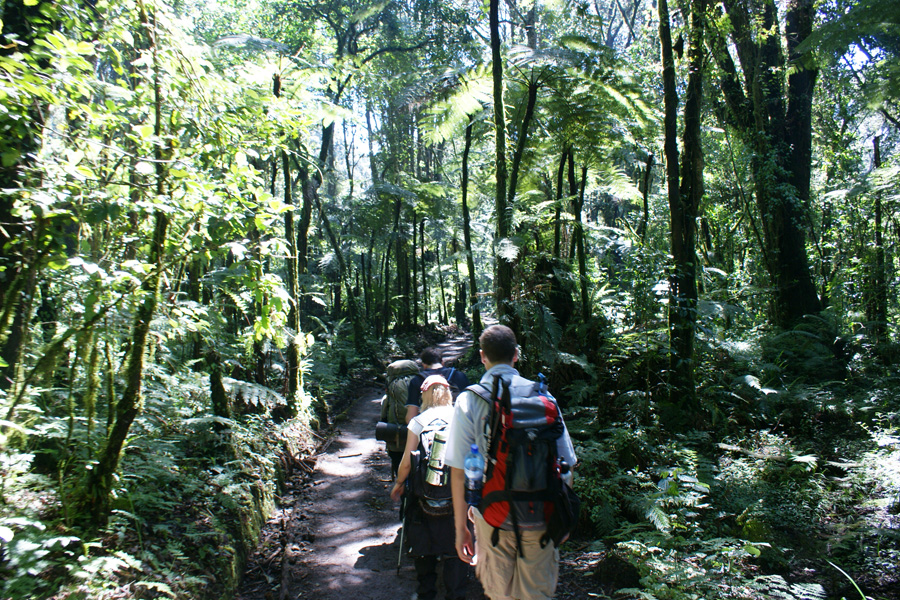
You will notice that the walking pace is exceptionally slow right from the start. There is no rush. You will also quickly notice that the slow pace is ideal: you don't get out of breath and you don't have to rest often.
Meanwhile you can enjoy the flora and fauna around you. Another advantage of the slow pace is that your body can adapt well to the altitude.
On the 7th day, after a day of walking, you will already get dinner at the end of the afternoon with the request to go to sleep quickly afterwards and prepare yourself for the night. Because around midnight the summit climb will begin.
After a light snack and enough to drink, the headlamps go on, you're warmly wrapped up and you walk in the dead of night – very slowly – to the summit of the volcano.
This is the most exciting day of the climb, because this is what it all comes down to. With enough endurance you might reach Stella Point (5685 m) around sunrise. With the sun slowly warming your body, you walk along the crater rim towards the ultimate summit: Uhuru Peak (5895 m) and you've reached the highest point of Africa!
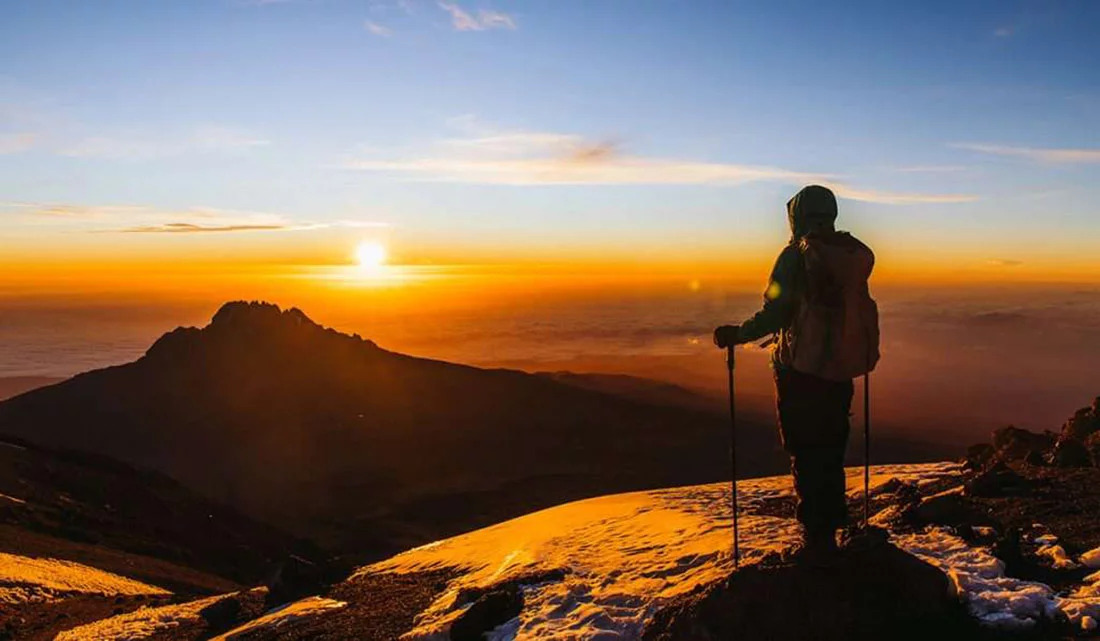
Prepare for extreme temperature fluctuations during your climb.
Even high on the mountain, where cooking is anything but obvious, the chef surprises time and again with delicious meals.
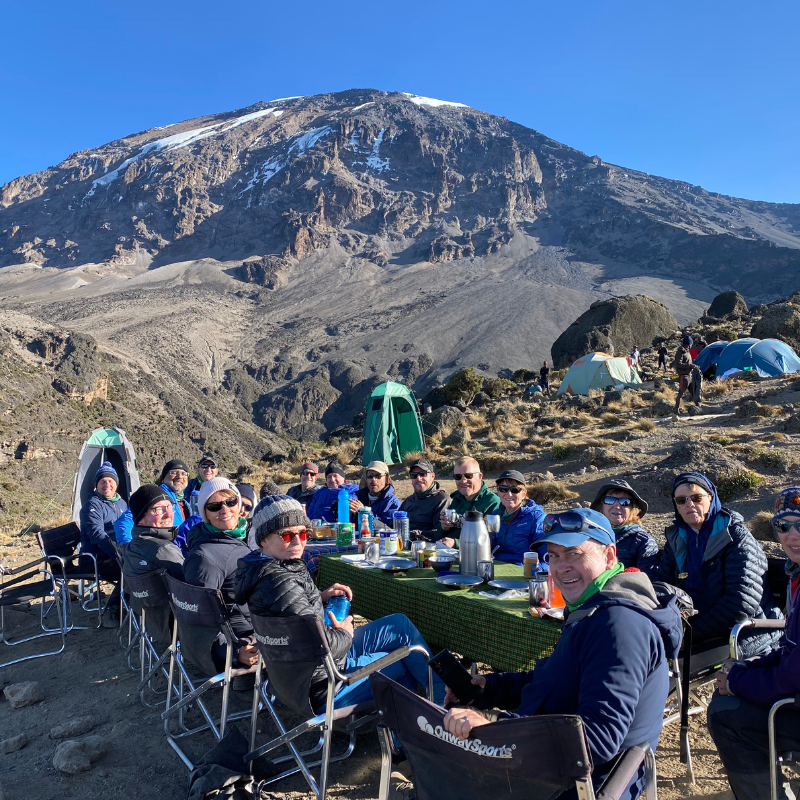
Oatmeal porridge (fiber!), toasted bread with a variety of toppings, omelet, fried bacon and a bowl of fresh fruit. For drinks you can choose from tea, coffee, hot chocolate or filtered water.
Starts every day with soup and fresh vegetable salads. Then expect pancakes, sandwiches or cakes with various fruit drinks. If circumstances prevent a 'lunch tent' from being set up along the way, you will receive a packed lunch.
The chef also prepares roasted peanuts and salted popcorn himself and you can choose from chocolate and cookies.
Dinner is one of the most important meals of the day. After a long walk your body needs to be well fed again for recovery and preparation for the next day.
Dinner can consist of fish fillet, fries, pancakes, rice, pasta with various vegetables, the Tanzanian banana stew Ndizi, meat with rice (Nyama na wali) followed by a rich dessert (fresh fruit, fried banana with chocolate sauce and Tanzanian pancakes with honey and yogurt).
Special dietary requirements? Let us know when booking. The chef will of course adapt the cooking to your wishes.
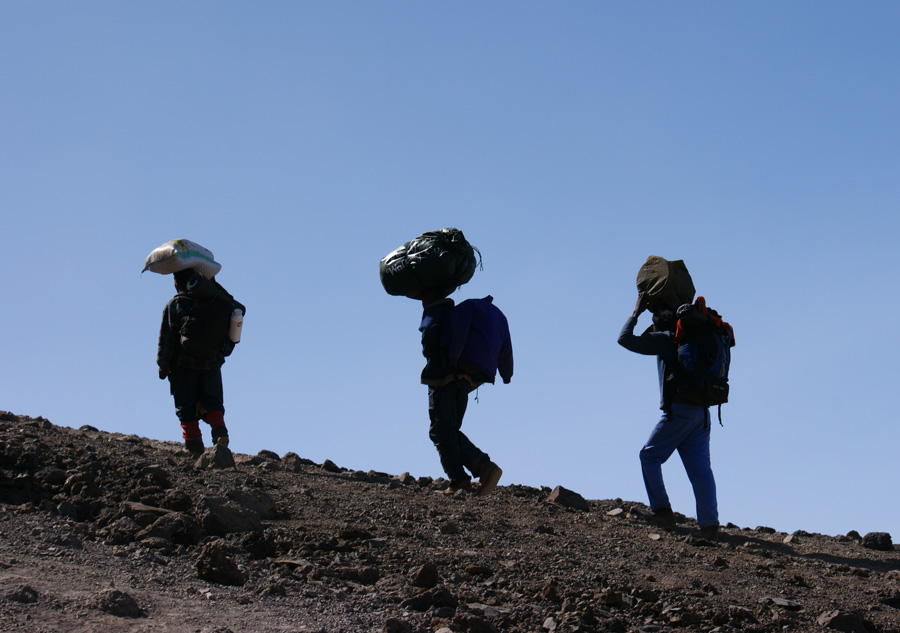
A porter is officially only allowed to carry 15 kilos of your luggage. So make sure your travel luggage (clothing, sleeping bag, mat and all other necessities) is no heavier than 15 kilos.
You should keep your 'daypack' as light as possible. If you already have three liters of water in it, there's already a fair amount of weight. Fill the rest of your backpack with only those things you think you'll need along the way, such as energy snacks (granola bars, Mars, Snickers, etc.), sunscreen, a scarf and a light warm sweater.
In addition to your luggage, a porter also carries all the necessities for the mountain: food and drink, tents, the kitchen and their own stuff. In the morning they pack everything and will pass you along the way. As soon as you arrive at the next camp at the end of the afternoon, you will see that everything is already set up for you.
The summit push begins at midnight – but the memories last forever
You stay daily in two-person dome tents at campsites where you will also encounter many other climbers.
Two-person dome tents at official campsites. Want your own tent for yourself? Report this when booking (usually free or small surcharge).
The toilets on the mountain consist of lockable cubicles with a hole in the floor - takes some getting used to the first few days!
Every morning a bowl of warm water is prepared so you can wash yourself.
You must collect all your waste and hand it over to the porters every morning. It is burned or carried until the end (plastic).
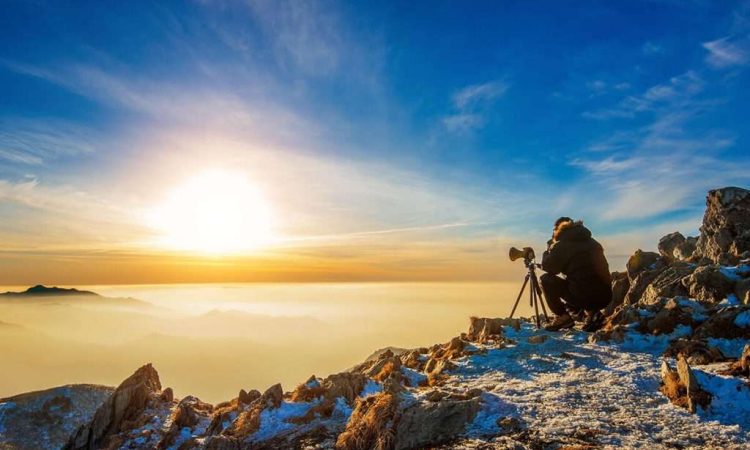
If you use a digital camera, always bring enough full batteries during the climb. Due to the cold they run out faster than normal. Also store batteries in a place where they are not directly exposed to this cold. Tip: keep all rechargeable batteries and batteries in your warm sleeping bag at night!
At most locations on the mountain you will notice that there is a mobile network available for calling. Use your mobile phone sparingly because you are probably calling with a foreign number and costs can add up considerably. Additionally, you cannot charge your phone during the climb.
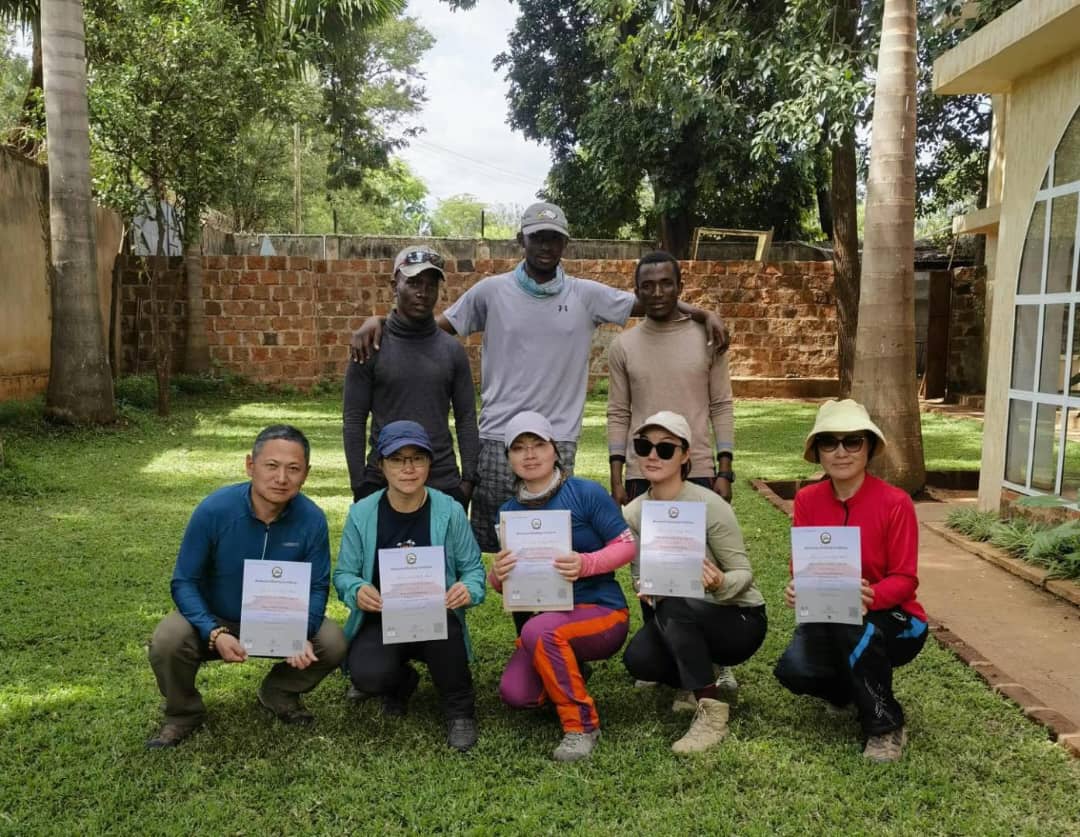

Everyone who has reached Stella Point or Uhuru Peak after the expedition officially receives a certificate from your mountain guide at the hotel.
At the hotel you can then relax wonderfully, or order a massage for those tired legs and back muscles.
After the climb do you have clothing left over that you won't use yourself anymore and want to lighten your luggage? Then give your old clothing, shoes or other necessities to the mountain guide. The guide knows exactly which members of his mountain team will be intensely happy with shoes, winter clothing and other accessories.
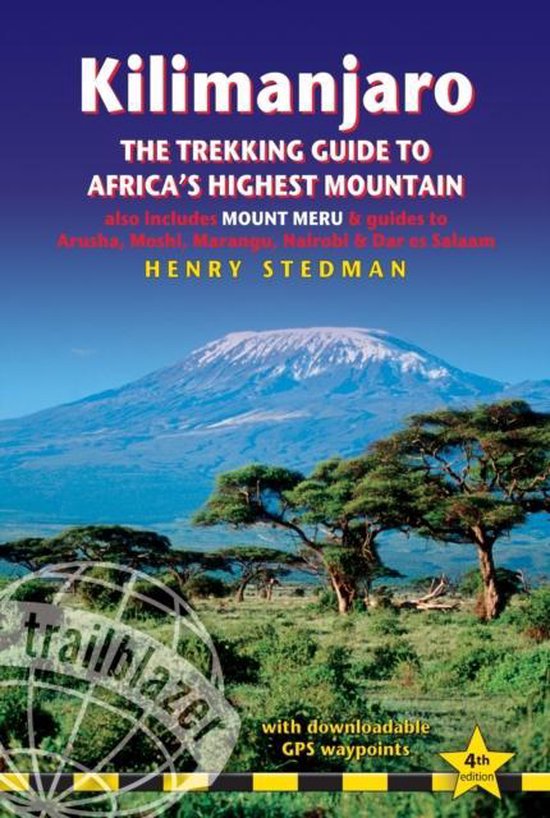
By Henry Stedman
Kilimanjaro requires good fitness, good planning and sufficient acclimatization for the high altitude. This book helps you with the planning, you have to take care of the fitness and acclimatization yourself.
Truly all facets of the mountain and its surroundings are covered. The author provides information about what you can expect there and how you can then reach the summit with lots of practical background information. About Arusha, about the nature (flora and fauna) of the region and the mountain itself and what you need to take into account when climbing the mountain.
Order on AmazonNow that you know what to expect during the expedition, it's time to reserve your spot. Our groups are small and quickly fully booked.

Travel specialist, writer, photographer, marketing specialist, and currently residing in Phnom Penh. Has been climbing Kilimanjaro regularly since June 2008.
More about Ramon